Wondering why so many Lake Balboa homes seem familiar at first glance, yet feel very different once you step inside? That is because many buyers here are looking at a postwar housing stock where ranch layouts, midcentury details, and later remodels often overlap. If you understand how to read those differences, you can shop with more confidence and spot the homes that truly fit your lifestyle and plans. Let’s dive in.
Why Lake Balboa Homes Look This Way
Lake Balboa sits within a broader postwar San Fernando Valley residential landscape, and the neighborhood’s current identity was formalized through the City of Los Angeles community naming action in 2007. For buyers, the bigger takeaway is architectural: much of the area reflects the Valley’s large wave of post World War II housing.
That history helps explain why Lake Balboa listings often describe homes as ranch, midcentury, or remodeled. In many cases, the home started as a straightforward postwar design and was later updated over time. Knowing that gives you a better lens for comparing one listing to the next.
Ranch Homes in Lake Balboa
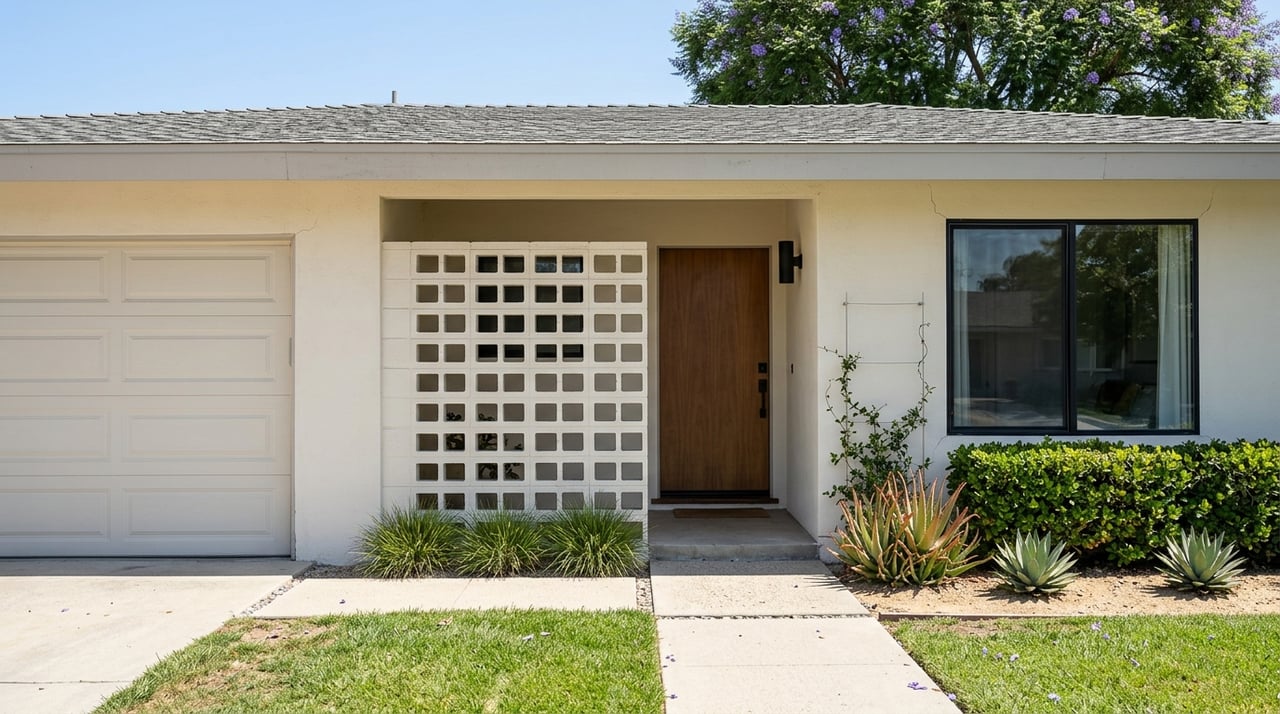
Ranch homes are one of the most common styles you are likely to see in Lake Balboa. In Los Angeles, ranch houses are typically one story, low-slung, and rectangular in plan, often with broad roofs, overhanging eaves, picture windows, porches, and a mix of exterior materials.
That simple shape is a big reason ranch homes remain popular with buyers. A one-level floor plan usually feels easy to live in, and the footprint can make future changes more straightforward than in a house with a more segmented layout.
What Buyers Usually Like
For many buyers, the appeal of a ranch home is flexibility. These homes often work well if you want a practical starting point and the option to personalize gradually over time.
You may also find that the layout feels intuitive right away. Living spaces, bedrooms, and yard access are often easier to understand in a ranch than in a more architectural or heavily altered house.
What to Check Carefully
With ranch homes, age matters as much as style. It is smart to look closely at the roof, windows, and any original systems that may still be in place.
If the home has been remodeled, try to separate the original structure from the newer work. In Los Angeles, building records and permit history can help you confirm what changes were actually approved.
Midcentury and Modern-Influenced Homes
Some Lake Balboa homes lean more clearly into midcentury or modern-influenced design. Los Angeles City Planning describes Mid-Century Modern as a postwar residential design aesthetic that became mainstream from the 1950s through the 1970s.
These homes often include large windows, open floor plans, post-and-beam structure, flat or shed roofs, clerestory windows, and a stronger connection between indoor and outdoor space. In Valley examples, you may also notice features like butterfly roofs or decorative stone details.
What the Style Means for Daily Living
Midcentury homes often feel brighter and more open than a standard tract ranch. If you value natural light and an indoor-outdoor flow, this style can be especially appealing.
At the same time, open layouts can come with tradeoffs. Fewer interior walls may affect privacy, storage, and furniture placement, so it helps to think beyond the photos and picture how you would actually live in the space.
Why Updates Matter More Here
Midcentury homes often have strong architectural identity, and that can add to their appeal. But it also means renovations need a careful eye.
Roof lines, beam structure, window patterns, and glass walls are often central to the design. If a remodel ignores those elements, the home may lose some of what made it special in the first place.
How to Read a Remodeled Listing
In Lake Balboa, many homes are marketed as updated, even when the core house is much older. That is not necessarily a problem, but it does mean you should look past the finishes.
A new kitchen, new flooring, or fresh paint can make a home feel turnkey, but those items do not automatically mean the property was comprehensively improved. In a postwar neighborhood, cosmetic changes are often layered onto older layouts and older structures.
Cosmetic Refresh vs. Real Improvement
One of the most useful questions you can ask is simple: what exactly was updated? A house may look fully redone while still retaining older windows, older systems, or an unpermitted layout change.
The City of Los Angeles provides tools that can help buyers verify this. ZIMAS shows zoning, land use, planning application history, and building permit history, while LADBS provides online building records plus permit and inspection reports for residential properties.
The Highest-Value Checks
If you are evaluating a remodeled Lake Balboa home, focus on the changes that matter most:
- Whether removed walls were permitted
- Whether additions match the permit record
- Whether a garage conversion or accessory unit was added legally
- Whether roof or window changes significantly altered the original structure
- Whether the visible work matches the property record
These checks matter because a home can look polished on the surface while still carrying risk behind the walls or on paper.
What Each Style Means for Buyers
The best home style for you depends on how you plan to use the property, how much updating you are comfortable with, and how important architectural character is to your decision.
Here is a simple way to think about the main types of homes you may see in Lake Balboa.
| Home type | What it often offers | What buyers should watch |
|---|---|---|
| Ranch | Straightforward one-story layout and easier gradual personalization | Age-related upkeep, original systems, permit history on remodels |
| Midcentury | Strong architectural identity, daylight, indoor-outdoor feel | Storage, privacy, furniture planning, update quality |
| Updated remodel | Move-in-ready presentation and modern finishes | Whether the visible work matches permits and records |
How to Shop More Confidently in Lake Balboa
When you tour homes in Lake Balboa, try to identify the original style before you decide how much value the updates really add. That can help you compare homes more clearly and avoid overpaying for surface-level improvements.
It also helps to think in terms of fit, not just finish. A ranch may give you the easiest path to personalize over time, while a midcentury home may offer more design appeal but require a more thoughtful approach to layout and renovation.
If you are considering a remodeled property, records matter. ZIMAS can also show whether a site is within a Historic Overlay Preservation Zone, Specific Plan, or Community Design Overlay, which may affect what can be built beyond base zoning.
That kind of due diligence is where local experience really matters. In a neighborhood with older housing stock and layered remodels, the goal is not just to find a home that looks good today. It is to find one that works for your plans tomorrow.
Buying in Lake Balboa is easier when you can see past listing language and understand what the house really is. If you want practical guidance on comparing home styles, reviewing remodels, and finding the right fit in the Valley, connect with Arthur Aslanian for experienced, neighborhood-focused support.
FAQs
What home style is most common in Lake Balboa?
- Many Lake Balboa homes reflect the San Fernando Valley’s postwar development pattern, so buyers often see ranch homes, midcentury influences, and later remodels of older one-story houses.
What should buyers know about Lake Balboa ranch homes?
- Lake Balboa ranch homes are usually one story with simple, practical layouts that can be easier to personalize over time, but buyers should still review age-related maintenance items and permit history.
What makes a Lake Balboa midcentury home different?
- A Lake Balboa midcentury home often has larger windows, a more open layout, and a stronger indoor-outdoor connection, which can feel more architectural but may require more thought around privacy and storage.
How can buyers verify remodel work in Lake Balboa?
- Buyers can review City of Los Angeles tools such as ZIMAS for zoning and permit history and LADBS records for permits and inspections to help confirm whether visible updates match the property record.
Why do permits matter when buying a remodeled Lake Balboa home?
- Permit history can help you confirm whether wall removals, additions, garage conversions, accessory units, and other major changes were legally completed, which reduces the chance of hidden issues after closing.
