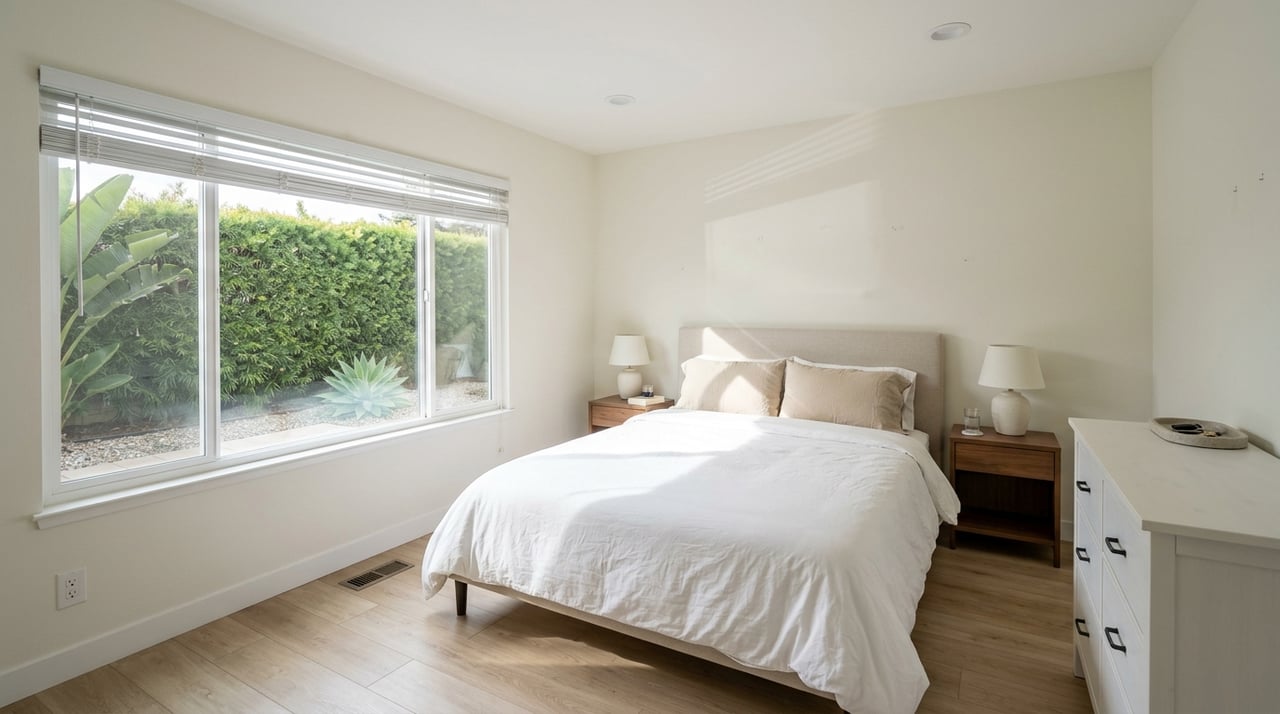
Selling your Sherman Oaks home can feel simple at first. Then the to-do list shows up fast: pricing, repairs, disclosures, staging, photos, escrow, and closing costs. The good news is that with the right plan, you can avoid last-minute surprises and move through the sale with more confidence. This checklist will help you focus on the steps that matter most in Sherman Oaks. Let’s dive in.
Know the Sherman Oaks market
Before you list, it helps to start with a realistic view of current market conditions. Recent public market reports put Sherman Oaks around the mid-$1.4 million range, with median sale prices reported near $1.3985 million to $1.4 million in March 2026. Timing also varies by source, with reported median days on market or to pending ranging from 29 to 73 days.
That variation matters. It suggests this is not a market where every home sells instantly just because it is in Sherman Oaks. Careful pricing, strong presentation, and solid negotiation can make a real difference.
Build your seller checklist early
The smoothest sales usually start before the home hits the market. Giving yourself time to prepare can help you avoid rushed decisions and reduce stress once buyers start touring the property.
A strong pre-listing checklist should cover:
- Pricing strategy based on recent local comparable sales
- Decluttering and deep cleaning
- Small repairs and maintenance items
- Staging and photo preparation
- Disclosure document gathering
- Escrow and closing cost planning
Price with local comps
Pricing is one of the most important decisions you will make. Realtor.com reported Sherman Oaks homes selling about 1.35% below asking in March 2026, which is a useful reminder that buyers are still comparing value closely.
That is why a pricing plan should be grounded in recent comparable sales, current competition, and your home’s condition. A well-supported price can bring stronger early interest and help you avoid sitting on the market longer than expected.
Declutter before anything else
If you only do one thing first, start here. According to the National Association of Realtors 2025 staging report, 91% of agents recommend decluttering before listing a home.
Decluttering helps buyers focus on the space itself instead of your belongings. It also makes rooms look larger, cleaner, and easier to picture as their own.
What to remove first
Start with the most visible items:
- Personal photos
- Extra countertop appliances
- Bulky furniture
- Overflow from closets and shelves
- Seasonal or rarely used items
NAR also recommends keeping closets about half full. That simple step can make storage feel more spacious.
Deep clean the entire home
Cleaning is not just a finishing touch. NAR found that 88% of agents recommend cleaning the whole home before listing.
A spotless home signals care and makes showings more inviting. Pay special attention to kitchens, bathrooms, floors, windows, baseboards, and entry areas.
Cleaning details buyers notice
Small details can shape a buyer’s first impression. Fresh towels, clean bedding, polished surfaces, and an odor-free interior can help your home feel move-in ready.
If you have pets, be extra careful about fur, odors, and worn areas. Clean presentation supports your asking price and your marketing photos.
Improve curb appeal
Your exterior sets the tone before a buyer even walks inside. In the same NAR report, 77% of agents recommended improving curb appeal.
This does not always require major spending. Basic yard cleanup, trimmed landscaping, swept walkways, and a clean front entry can go a long way.
Make repairs with disclosures in mind
Repairs are about more than appearance. In California, disclosures are a key part of the sale, and it is better to identify issues early than to let buyers discover them during escrow.
The California Department of Real Estate explains that the Transfer Disclosure Statement is a disclosure of condition, not a warranty. Buyers and their agents may also rely on inspections and visual observations, so visible defects and known issues can become negotiation points later.
Consider a pre-listing inspection
A pre-listing inspection can help uncover issues before your home is on the market. That gives you time to decide whether to repair, disclose, or price with those items in mind.
This can also make your sale feel more organized once offers come in. Instead of reacting under pressure, you can respond with a clearer plan.
Gather renovation records early
If you bought the property within the last 18 months, a newer California rule may apply to your sale. For disclosures made on or after July 1, 2024, sellers of single-family homes who took title within the prior 18 months must disclose certain contractor-performed room additions, structural modifications, alterations, or repairs over $500, including contractor names and permits.
If you have done recent work, gather invoices, permits, and contractor information now. That can save time and help you complete your disclosure package more smoothly.
Use staging to strengthen presentation
Staging is one of the most practical ways to improve how buyers experience your home. NAR’s 2025 report found that 83% of buyers’ agents said staging makes it easier for buyers to visualize a property as their future home.
The same report found that 29% of agents saw a 1% to 10% increase in the dollar value offered, and 49% of sellers’ agents saw reduced time on market. In a Sherman Oaks market where timing and price results can vary, presentation can have an outsized impact.
Focus on simple, effective staging
Staging does not mean overdesigning your home. It usually means making each room feel open, functional, and easy to understand.
Helpful staging tasks include:
- Pack away personal items
- Use fresh towels and bedding
- Remove oversized furniture
- Create clear walking paths
- Keep surfaces neat and simple
NAR also reported a median cost of $1,500 for using a staging service, compared with $500 when the seller’s agent handled staging. For many sellers, that makes staging a smart marketing decision rather than an unnecessary extra.
For Sherman Oaks homeowners, this matters even more when staging is offered as part of the selling strategy. Complimentary staging can help you improve presentation while keeping your upfront costs more manageable.
Prepare for listing photos
Photos are one of the first ways buyers will judge your home. NAR’s 2025 survey found that 73% of buyers’ agents rated listing photos as important to their clients, ahead of several other marketing tools.
That means photography day should not be treated like a quick appointment squeezed into your week. Your home should be fully cleaned, styled, and ready before the photographer arrives.
Photo day checklist
Use this short checklist before photos:
- Turn on lights and open window coverings
- Clear kitchen and bathroom counters
- Hide cords, bins, and pet items
- Make beds neatly
- Remove cars from the driveway if possible
- Sweep patios, entryways, and exterior paths
If virtual staging or photo enhancements are used, they should not mislead buyers about the property. Material alterations should be disclosed.
Organize your California disclosures
California seller disclosures are not something to leave until the last minute. California Civil Code Section 1102 is the legal basis for the seller disclosure package for transfers of single-family residential property.
The California Department of Real Estate describes these disclosures as covering the property’s physical condition and potential hazards or defects. Depending on the location and details of the transaction, additional disclosures may also be required.
Check natural hazard information
Natural hazard disclosure is an important California item. The current Natural Hazard Disclosure Statement must indicate whether a property is in a high fire hazard severity zone and whether it is in a state responsibility area or local responsibility area.
For some Sherman Oaks properties, this makes hazard-zone review a smart step before marketing begins. It is better to verify early than to scramble for answers once a buyer is in escrow.
Estimate closing costs early
Many sellers focus on list price and forget to review net proceeds until late in the process. That can create stress, especially if you are making plans for your next purchase or move.
In Los Angeles County, documentary transfer tax is imposed when a deed or other conveyance is recorded. The county rate is $0.55 per $500 of value, while the City of Los Angeles has a separate city transfer tax structure.
Understand Los Angeles transfer taxes
According to the City of Los Angeles Office of Finance, the base city transfer tax is 0.45%, or $2.25 per $500. Measure ULA adds another tax for qualifying high-value transfers.
The current Measure ULA thresholds apply at over $5.3 million and $10.6 million or more, and sales closing after June 30, 2026 move to $5.4 million and $10.9 million thresholds. If your Sherman Oaks property is in that higher price range, ask for an estimated seller net sheet early and confirm which threshold schedule is expected to apply on your closing date.
Know the escrow and title timeline
Escrow and title are a major part of keeping your sale on track. The California Department of Real Estate describes escrow as a neutral third party that helps protect both buyer and seller by making sure contract terms are completed and the deed is recorded at closing.
The title company provides insurance against unknown title defects. Buyers may negotiate the escrow and title company, so these choices can be part of the transaction discussions.
Typical steps after you accept an offer
Once you are under contract, the sale often follows this sequence:
- Open escrow
- Deliver disclosures
- Coordinate inspections
- Review repair requests or credit requests
- Negotiate and resolve contingencies
- Review settlement figures
- Sign transfer documents
- Confirm recording and closing
Keeping documents, invoices, permits, and repair information organized can make this phase much smoother.
Stay ready for inspection negotiations
Even a well-prepared home can bring inspection findings. Buyers may hire inspectors and use those findings to request repairs, credits, or other concessions.
This is where early preparation helps. If you already know your home’s condition and have a strategy in place, you can respond calmly and keep the transaction moving.
Why coordination matters most
In Sherman Oaks, a smooth sale is usually the result of many small decisions done well. Market data suggests pricing and presentation matter, and California and Los Angeles rules add extra layers around disclosures, taxes, and escrow timing.
That is why process management matters so much. When your sale is coordinated from the start, it is easier to prepare the home, market it well, handle disclosures on time, respond to inspections, and move toward closing with fewer surprises.
If you are thinking about selling in Sherman Oaks, working with an experienced local agent can help you simplify the process and make stronger decisions from day one. For seller guidance, complimentary staging, and a clear market strategy, connect with Arthur Aslanian.
FAQs
What should Sherman Oaks home sellers do before listing?
- Start with local pricing guidance, declutter the home, deep clean, handle visible repairs, gather disclosure documents, and prepare the property for staging and professional photos.
How important is staging for a Sherman Oaks home sale?
- Staging can be very helpful because NAR reported that 83% of buyers’ agents said it helps buyers visualize the home, and many agents also reported stronger offers or reduced time on market.
What disclosures are required when selling a single-family home in California?
- California Civil Code Section 1102 forms the basis for the seller disclosure package, which covers the property’s condition, hazards, and defects, with additional disclosures sometimes required based on the property and transaction details.
What should Sherman Oaks sellers know about recent renovation disclosures?
- If you obtained title within the previous 18 months, California requires disclosure of certain contractor-performed additions, modifications, alterations, or repairs over $500, along with contractor names and permits, for applicable disclosures made on or after July 1, 2024.
What transfer taxes affect a Sherman Oaks home sale?
- Sellers should account for Los Angeles County documentary transfer tax, the City of Los Angeles transfer tax, and for some higher-value sales, Measure ULA based on the applicable closing-date thresholds.
What happens after a Sherman Oaks seller accepts an offer?
- The transaction typically moves into escrow, followed by disclosures, inspections, repair or credit negotiations, contingency removal, settlement review, signing, and final recording at closing.
